
Why the gate was built
The mechanism that governs every console release today — the checklist, the test floor, the submission window, the hold — traces its origin to a single documented market failure. Before 1983, the North American games market had no platform holder with meaningful authority over what appeared on its shelves. Publishers pressed cartridges independently, retailers bought on speculation, and the feedback loop between a bad product and the shelf space it occupied simply did not exist. When the collapse came it was fast: inventory returned in volumes that destroyed margins across the entire distribution chain, not just for the titles that deserved to fail.
Nintendo's response, when the Famicom arrived in North America as the Nintendo Entertainment System in 1985, was structural rather than cosmetic. The lockout chip — the 10NES — was a hardware authentication circuit, and it meant that a cartridge without a licensed counterpart chip physically would not boot. The chip did not judge quality. What it created was a tollgate: any publisher who wanted to reach the consumer had to pass through Nintendo first, which gave Nintendo the leverage to impose terms. Licensing agreements, manufacturing approvals, print-run limits, the prohibition on simultaneous release for competing platforms — these were all downstream of the chip. The legal and commercial architecture of the modern platform holder was built on top of a piece of silicon whose primary engineering purpose was electrical handshake.
Sony and Microsoft, arriving in the console market in 1994 and 2001 respectively, inherited the same logic and formalised it further. Optical media made the hardware lock harder to sustain in its original form, but by then the platform holder's authority rested less on a chip than on a documented programme. Pass the programme, get to publish. Fail, resubmit. The rooms where that decision gets made are the test floors — and what happens on them is the subject that the rest of this article is about.
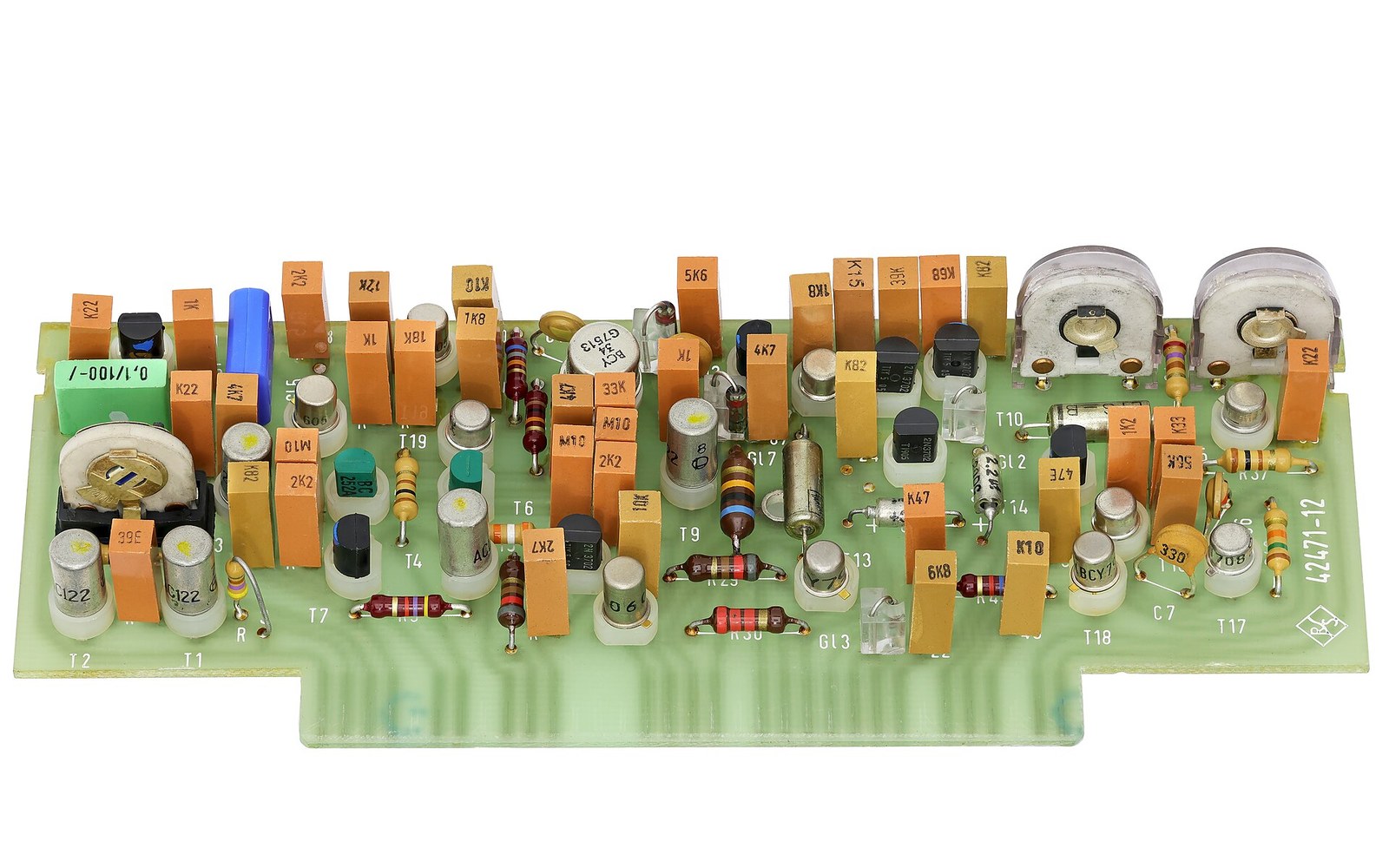
The checklist and what it tests
Each of the three major platform holders — Nintendo, Sony Interactive Entertainment ↗ and Microsoft — operates its own certification programme under its own name. The requirements are referred to by different abbreviations across the industry, but their structure is recognisably the same: a catalogue of technical, functional and presentational criteria that a submission must satisfy before a release is authorised. These are not guidelines. They are gates. A single failed check blocks the submission.
The criteria can be grouped loosely by what they protect. The broadest category protects the hardware itself: the certification rules specify how a title must respond to system events — a low-battery warning, a sudden disconnect of a peripheral, a forced suspend. A game that ignores a system-level suspend signal and locks the console creates a support burden for the platform holder and a support call for the consumer; the test exists to prevent both. Related rules govern thermal behaviour — a title that pegs the processor without limit and pushes the machine against its thermal budget ceiling will fail, because the platform holder's thermal guarantee to the consumer covers every workload the console is rated to run.
A second category protects the consumer's data. Save-system behaviour is tested to a precise standard: the rules specify what must happen when storage is full, when a save is interrupted by a power event, and what error language must appear on screen. The language itself is part of the test — error strings must match the platform holder's approved copy, because a cryptic failure message from a third-party title reflects on the hardware brand, not just the studio. Naming conventions for save files, trophy and achievement data integrity, and the handling of online identity are all checked at the same granularity.
A third category, which has grown substantially since the early 2000s, covers what a submission claims about itself. Age-rating certificates from recognised bodies — PEGI in Europe, the ESRB in North America, CERO in Japan — must be in place and accurately reflected in the submission's metadata before the platform holder's own test begins. PEGI's published ratings process is itself a formal questionnaire-and-audit system; certification for the platform holder presupposes it.
The calendar the test creates
Certification is not instantaneous, and the calendar built around it shapes every large release. The test process at each platform holder takes time measured in weeks — sometimes several — and that window does not compress because a studio wishes it would. The practical consequence is that the disc master, the cartridge image, or the downloadable package submitted for approval must be a finished build: the game that reaches the certification floor cannot change after it arrives, because any material change invalidates the submission and restarts the clock.
This is what makes the day-one patch a structural fixture rather than a shortcut. A build submitted for disc manufacturing is locked the moment it ships, but the servers remain open. Studios use the interval between submission and release to continue fixing issues that were present when the submission went in — issues they knew about but could not address without missing the certification window. The patch that downloads on launch day is, in most cases, the resolution of a problem the developer flagged internally before the disc was ever pressed. The certification system did not create that problem; it created the calendar that made its handling visible.
Test floors themselves are documented as compliance environments ↗ running scripted passes on identical rigs. Forty stations, or a hundred, or some other fixed count — the number is internal to each platform holder — all running the same revision of the same requirements document. Parity across the rigs matters because a submission that passes on one configuration and fails on another is not a pass. The test floor is also where error codes accumulate: each failed criterion maps to a specific code returned to the submitting studio, along with reproduction steps. Studios working in active submission cycles treat the error-code list as a second specification — not the design document for the game, but the design document for the game as the platform holder reads it.

The rooms where these decisions get made are unglamorous by any measure: fluorescent light, workstations, a version-controlled checklist. But the decisions made in them are the last formal filter between a development project and the shelf, and their architecture descends in a direct line from a lockout chip pressed into cartridges in 1985. The gate is different. The logic is the same.