The tooling decision lands first
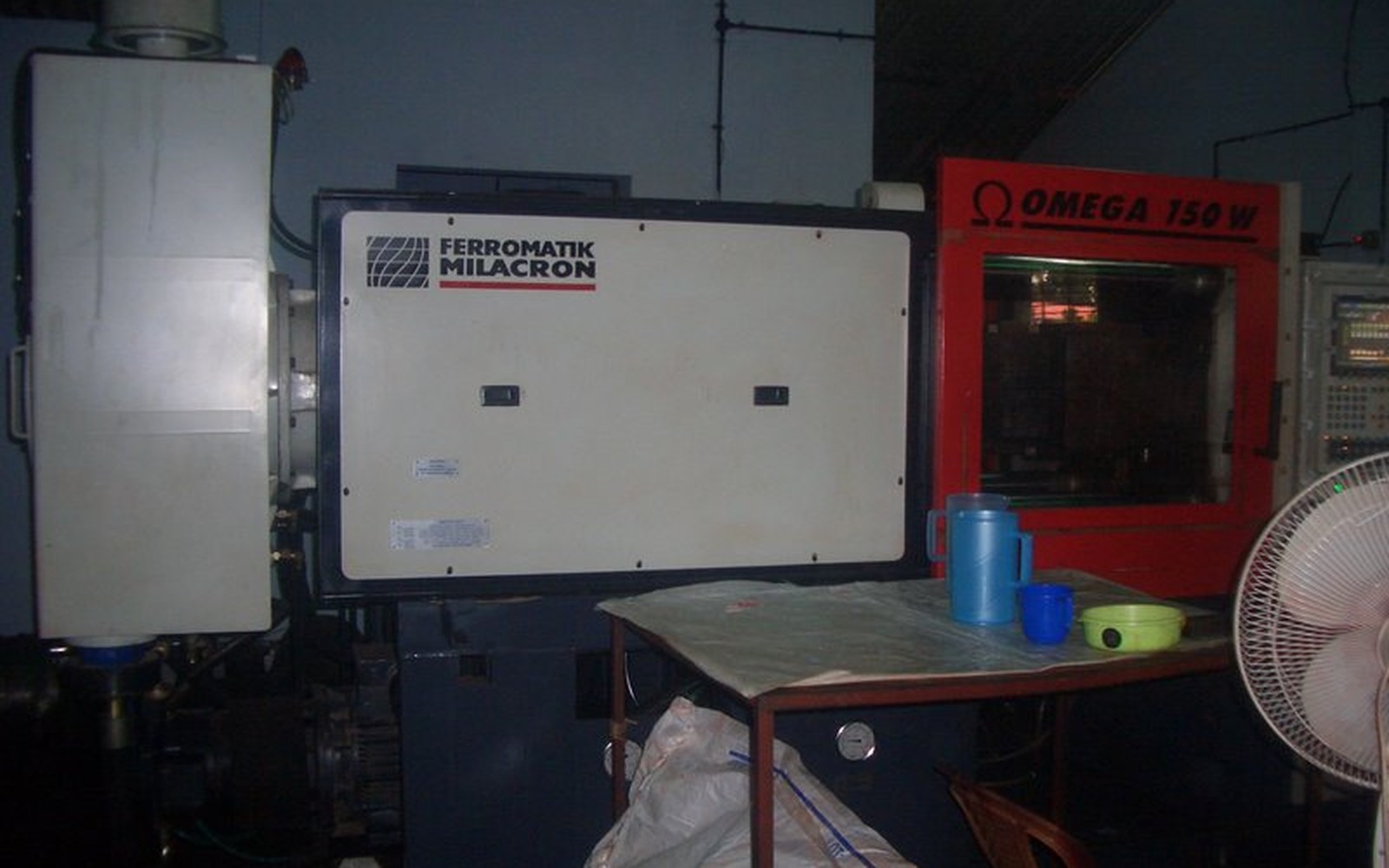
Injection moulding a controller shell requires a steel die — a precision-machined cavity that molten ABS or polycarbonate is forced into under high pressure. A single production-grade mould for a complex geometry costs in the range of tens of thousands to low hundreds of thousands of dollars and takes months to machine and validate. There is one set of moulds per shell variant, and changing a validated mould after the fact means either recutting the steel or welding and re-machining — both expensive, both slow, both capable of pushing a production schedule past a launch window. So the tooling decision lands before almost anything else is confirmed.
That timing is the problem. The die is committed to a specific button layout, a specific internal volume, and specific mounting points for the PCB and battery before the thermal budget of the console itself is settled, before the final controller IC is selected, and often before the certification checklist is complete. Every dimension that will later be tested — the travel distance of a trigger, the force required to actuate a button, the clearance around an analogue stick — is frozen in steel before the rooms where it gets decided have closed on the rules those dimensions must satisfy.
What the mould does not forgive
The geometry a mould encodes is not just aesthetic. Internal bosses locate the PCB. Snap-fit clips hold the halves together at tolerances that determine whether the shell creaks or feels solid. Ribs distribute the clamping load across the housing and prevent warping as the part cools. Every one of those features is additive to the steel on one half and subtractive on the other, and the rule in tooling is that you can remove steel more easily than you can add it back. That asymmetry shapes the entire design process: engineers build in as much flexibility as they dare — blind ribs that can be cut away, thicker walls that can be surfaced down — but the core geometry is committed.
Nintendo, Sony Interactive Entertainment and Microsoft each maintain proprietary ergonomic databases accumulated over successive controller generations. Those datasets inform the exterior surface before tooling begins, but they do not eliminate the risk. The DualShock 4's lightbar placement ↗, which created an unintended glare problem visible on television screens, was a consequence of a decision locked into tooling before the problem was fully characterised in real living-room conditions. Fixes in later production revisions required new tooling runs.
The calendar consequence
Because the shell is the longest-lead physical component, it sets the outer boundary of the product calendar. Semiconductor lead times are measured in months; mould fabrication and first-article inspection for a controller shell run on a similar or longer schedule when engineering change orders are factored in. The console SoC can be revised in mask steps that do not change the controller; a change to the trigger mechanism that affects the housing geometry cannot be absorbed without re-entering the tooling queue.
Certification ↗ for a new controller — validation that it meets the platform holder's own technical requirements, that it does not interfere with the radio environment, that it satisfies the relevant electrical safety standards — adds further weeks after the physical design is locked. A controller that fails an electromagnetic compatibility test at that stage has almost no corrective options that do not involve either a PCB respin or a housing change, either of which restarts the clock. The mould is therefore not just a manufacturing decision; it is the earliest irreversible commitment in a product line, made furthest from complete information, and it is the reason the controller is routinely the hardest part of launching a console on time.